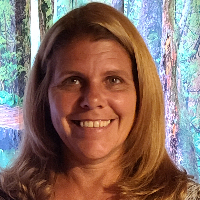
Amanda Polk
LISW-CP· Accepting clientsSouth Carolina · 10 yrs exp
Stress, Anxiety · Relationship · Family · Trauma and abuse · +1 more
Read profileThe therapist listings are provided by BetterHelp and we will earn a commission if you use our link - at no cost to you.
Welcome to Find CBT Therapists' South Carolina directory - explore licensed clinicians who list CBT among their approaches. Browse listings to compare credentials, focus areas, languages, and experience to identify a clinician who may fit your needs.
South Carolina · 10 yrs exp
Stress, Anxiety · Relationship · Family · Trauma and abuse · +1 more
Read profile
South Carolina · 36 yrs exp
Stress, Anxiety · Addictions · Family · Trauma and abuse · +3 more
Read profile
South Carolina · 20 yrs exp
Stress, Anxiety · Relationship · Eating · Self esteem · +10 more
Read profile
South Carolina · 5 yrs exp
Relationship · Family · Trauma and abuse · Intimacy-related issues · +15 more
Read profile
South Carolina · 8 yrs exp
Stress, Anxiety · Relationship · Family · Coping with life changes · +11 more
Read profile
South Carolina · 8 yrs exp
Stress, Anxiety · Trauma and abuse · Self esteem · Depression · +16 more
Read profile
South Carolina · 20 yrs exp
Stress, Anxiety · Relationship · Trauma and abuse · Anger · +11 more
Read profile
South Carolina · 15 yrs exp
Stress, Anxiety · Trauma and abuse · Anger · Self esteem · +13 more
Read profile
South Carolina · 20 yrs exp
Stress, Anxiety · Trauma and abuse · Grief · Anger · +5 more
Read profile
South Carolina · 13 yrs exp
Stress, Anxiety · Relationship · Intimacy-related issues · Self esteem · +9 more
Read profile
South Carolina · 21 yrs exp
Stress, Anxiety · Relationship · Self esteem · Depression · +6 more
Read profile
South Carolina · 7 yrs exp
Stress, Anxiety · Self esteem · Depression · Coping with life changes · +9 more
Read profile
South Carolina · 20 yrs exp
Stress, Anxiety · Grief · Self esteem · Depression · +7 more
Read profile
South Carolina · 28 yrs exp
Stress, Anxiety · Addictions · Relationship · Trauma and abuse · +8 more
Read profile
South Carolina · 21 yrs exp
Relationship · Grief · Parenting · Depression · +14 more
Read profile
South Carolina · 20 yrs exp
Stress, Anxiety · LGBT · Relationship · Family · +6 more
Read profile
South Carolina · 7 yrs exp
Stress, Anxiety · Relationship · Family · Anger · +4 more
Read profile
South Carolina · 7 yrs exp
Relationship · Family · Trauma and abuse · Intimacy-related issues · +8 more
Read profile
South Carolina · 17 yrs exp
Stress, Anxiety · Relationship · Parenting · Depression · +11 more
Read profile
South Carolina · 8 yrs exp
Stress, Anxiety · Relationship · Self esteem · Depression · +10 more
Read profile
South Carolina · 15 yrs exp
Stress, Anxiety · Trauma and abuse · Self esteem · Coping with life changes · +7 more
Read profile
South Carolina · 5 yrs exp
Stress, Anxiety · Relationship · Trauma and abuse · Anger · +1 more
Read profile
South Carolina · 10 yrs exp
Stress, Anxiety · Relationship · Family · Trauma and abuse · +2 more
Read profile
South Carolina · 17 yrs exp
Stress, Anxiety · Relationship · Family · Trauma and abuse · +13 more
Read profileIf you are seeking Cognitive Behavioral Therapy in South Carolina, you will find clinicians who list CBT among their approaches across a range of licensure types and practice settings. CBT emphasizes the connection between thoughts, feelings, and behavior, and many clinicians incorporate that model into structured, goal-focused work. Because the directory records therapists who list CBT among their clinical approaches, you can begin your search knowing these clinicians report working with CBT concepts and techniques. You should ask about specific training and experience directly when you contact a clinician, and verify licensure in the state to make sure their credentials meet your expectations.
CBT tends to be offered in both short-term, problem-focused formats and longer-term work depending on your goals. In South Carolina you will encounter licensed professional counselors, clinical social workers, psychologists, and other licensed mental health providers who indicate CBT as part of their clinical repertoire. Each clinician may apply CBT in different ways - some focus on cognitive restructuring and skill-building, while others integrate behavioral experiments, exposure strategies, or problem-solving techniques. Understanding these distinctions can help you choose a clinician whose approach matches what you want to accomplish.
Online CBT can make structured, skills-based therapy accessible across the state, including in rural counties where in-person options may be limited. When you work with a clinician remotely, you can schedule sessions without traveling long distances and maintain consistent contact even if your schedule changes. CBT’s emphasis on homework, practice, and measurable goals is well suited to an online format because you and your clinician can use digital tools to share worksheets, track progress, and review homework between sessions.
Using an online format often allows you to practice new skills in the environments where you live and work. For example, behavioral experiments and exposure tasks can be planned with your clinician and carried out in the real world, then discussed in your next session. Many people find that the convenience of remote sessions increases their ability to stick with the structured tasks that make CBT effective. When considering online work, you may want to ask potential clinicians how they conduct sessions, how they share resources, and how they support homework and between-session practice so the approach fits your learning style.
Cognitive Behavioral Therapy is recommended for many common concerns because it targets the interactions between thinking patterns and behavior. In South Carolina you will find clinicians who list CBT among their approaches for anxiety disorders, including generalized anxiety, panic, social anxiety, and specific phobias. CBT’s focus on exposure and cognitive restructuring can be particularly helpful for reducing avoidance and changing worry patterns. Clinicians who work with CBT often apply structured practices to obsessive-compulsive concerns and related compulsive behaviors.
Depressive symptoms are also frequently addressed using CBT methods that combine behavioral activation - increasing engagement in meaningful activities - with work on unhelpful thinking styles. CBT strategies are commonly adapted for insomnia, stress management, and anger-related issues, and clinicians may integrate them into programs for post-traumatic stress symptoms as part of a broader approach. You can ask a clinician how they adapt CBT techniques for your specific concern and what kinds of goals and homework they typically use for issues like anxiety or depression.
CBT’s structured, time-limited framework translates well to virtual care because sessions are often organized around specific targets, measurable goals, and homework assignments. When you start with a clinician who lists CBT among their approaches, you can expect a collaborative plan that outlines goals, anticipated session topics, and assignments to practice between sessions. This predictability helps you evaluate progress and keeps sessions focused on practical change.
Online sessions allow you to use screen-sharing to view worksheets, complete thought records in real time, and review progress measures together. Many clinicians who work with CBT use brief rating scales or outcome measures that you fill out before or during sessions so you and your clinician can track symptom change objectively. Between sessions you may receive handouts, practice exercises, or exposure plans to work on in your day-to-day life. If you prefer a methodical approach with clear steps and homework, online CBT can provide that structure while keeping sessions convenient.
Before beginning work with any clinician, it is prudent to verify that their license is active in South Carolina and appropriate for the services you need. The South Carolina licensing board maintains a public roster where you can search by name or license number to confirm current licensure status, any disciplinary actions, and the clinician’s licensure type. Licensure categories you may encounter include licensed professional counselor, licensed clinical social worker, psychologist, and others; each has different education and supervision requirements. You should review the board’s information and contact them directly if you see anything unclear or have questions.
When you review a listing from this directory, note the clinician’s degree and licensure abbreviation, then cross-check that information on the state board site. It is appropriate to ask a clinician during an initial conversation about their licensure, how long they have practiced, and whether they maintain any additional supervision or professional development related to CBT. Asking these questions helps you understand a clinician’s background without assuming a specific credential implies expertise in CBT. Always verify the licensure details yourself to ensure you are working with someone authorized to practice in South Carolina.
Choosing a clinician who lists CBT among their approaches begins with clarifying what you want from therapy. Consider whether you prefer a short-term, skills-based plan focused on measurable goals or a longer, more exploratory approach that may incorporate CBT techniques. Look at clinician profiles for details such as areas of focus, years of experience, cultural background, languages spoken, and any mentions of populations they commonly work with. These factors can help you find a match who communicates in a way that feels comfortable to you.
When you contact a clinician, ask about how they use CBT in practice. Invite them to describe a typical course of sessions for your concern, how they support homework and between-session practice, and what outcomes they aim for at different stages. It is also reasonable to inquire about session length, the expected number of sessions for common goals, and how they measure progress. If you have preferences about session format or digital tools, bring those up early so you and the clinician can assess fit. Finally, trust your impression from initial communications - a clinician who explains how CBT techniques will be applied and answers your questions about licensure and experience can give you a clearer sense of whether they match your needs.
Finding a clinician in South Carolina who lists CBT among their approaches is a practical first step toward structured, skills-based work on thoughts, feelings, and behavior. Use the directory to identify clinicians who match your preferences, verify licensure through the state board, and ask direct questions about how CBT will be used in your care. With clear goals and an understanding of the clinician’s methods, you can select a CBT-focused approach that aligns with the changes you want to make.
Addictions
7454 therapists
ADHD
6710 therapists
Anger
9280 therapists
Bipolar
6588 therapists
Depression
12848 therapists
Eating Disorders
2892 therapists
Grief
10264 therapists
Guilt and Shame
9012 therapists
Impulsivity
5182 therapists
Isolation / Loneliness
8365 therapists
Mood Disorders
7354 therapists
OCD
3483 therapists
Panic Disorder and Panic Attacks
6347 therapists
Phobias
2452 therapists
Post-Traumatic Stress
7788 therapists
Self Esteem
12540 therapists
Self-Harm
3676 therapists
Social Anxiety and Phobia
8151 therapists
Stress & Anxiety
13722 therapists
Trauma and Abuse
10861 therapists