
Kelley Sullivan
LCSW· Accepting clientsColorado · 19 yrs exp
Stress, Anxiety · Relationship · Trauma and abuse · Grief · +12 more
Read profileThe therapist listings are provided by BetterHelp and we will earn a commission if you use our link - at no cost to you.
Receiving therapy in your native language can help you express feelings, share cultural context, and build a stronger therapeutic connection. Browse the Spanish-speaking therapists listed below to view profiles and approaches in Spanish.
Colorado · 19 yrs exp
Stress, Anxiety · Relationship · Trauma and abuse · Grief · +12 more
Read profile
New York · 25 yrs exp
Stress, Anxiety · Addictions · Trauma and abuse · Self esteem · +11 more
Read profile
Delaware · 28 yrs exp
Stress, Anxiety · Family · Self esteem · Depression · +11 more
Read profile
Florida · 8 yrs exp
Stress, Anxiety · Relationship · Family · Coping with life changes · +9 more
Read profile
Texas · 11 yrs exp
Stress, Anxiety · Anger · Self esteem · Career · +8 more
Read profile
New York · 25 yrs exp
Stress, Anxiety · Grief · Anger · Self esteem · +6 more
Read profile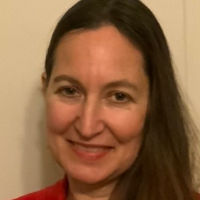
Missouri · 25 yrs exp
Anger · Self esteem · Depression · Coping with life changes · +15 more
Read profile
Pennsylvania · 32 yrs exp
Stress, Anxiety · Addictions · Relationship · Grief · +13 more
Read profile
New York · 25 yrs exp
Stress, Anxiety · Trauma and abuse · Self esteem · Depression · +11 more
Read profile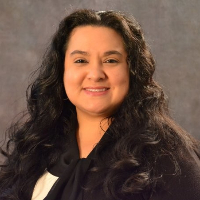
Ohio · 11 yrs exp
Stress, Anxiety · Grief · Self esteem · Depression · +10 more
Read profile
Ohio · 14 yrs exp
Stress, Anxiety · Addictions · Relationship · Family · +9 more
Read profile
Texas · 30 yrs exp
Stress, Anxiety · Family · Parenting · Depression · +1 more
Read profile
Florida · 4 yrs exp
Stress, Anxiety · Parenting · Anger · Addictions · +16 more
Read profile
Texas · 8 yrs exp
Stress, Anxiety · Relationship · Trauma and abuse · Bipolar · +1 more
Read profile
New York · 10 yrs exp
Stress, Anxiety · Family · Self esteem · Coping with life changes · +5 more
Read profile
Texas · 15 yrs exp
Stress, Anxiety · Trauma and abuse · Grief · Depression · +13 more
Read profile
Florida · 29 yrs exp
Stress, Anxiety · Relationship · Family · Self esteem · +13 more
Read profile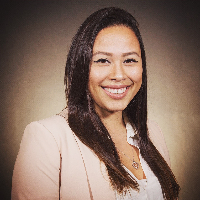
Florida · 10 yrs exp
Stress, Anxiety · Addictions · Relationship · Family · +11 more
Read profile
Texas · 24 yrs exp
Stress, Anxiety · LGBT · Self esteem · Depression · +13 more
Read profile
Arizona · 11 yrs exp
Stress, Anxiety · Grief · Parenting · Self esteem · +7 more
Read profile
Texas · 30 yrs exp
Stress, Anxiety · Relationship · Family · Trauma and abuse · +11 more
Read profile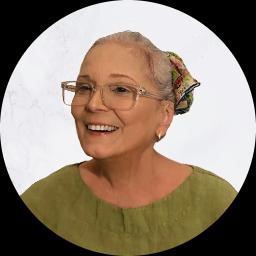
Florida · 30 yrs exp
Stress, Anxiety · Relationship · Family · Self esteem · +15 more
Read profile
New York · 9 yrs exp
Stress, Anxiety · LGBT · Relationship · Trauma and abuse · +1 more
Read profile
Texas · 4 yrs exp
Stress, Anxiety · Relationship · Self esteem · Depression · +11 more
Read profileWhen you speak in the language you grew up with, thoughts and emotions often come with cultural nuances that do not translate easily. Therapy in Spanish gives you the option to reach for words, metaphors, and idioms that capture how you really feel. That can make it easier to describe early memories, family dynamics, spiritual beliefs, and social pressures in ways that feel authentic. Language is more than vocabulary - it carries cultural frames of reference, humor, and values. For many people, being heard in Spanish reduces the effort of translating emotional material back and forth, which can leave more energy for reflection and change.
Therapy in Spanish can also affect how you and a clinician build trust. You may find it easier to explain intergenerational expectations, migration experiences, or community roles when both you and the therapist share a linguistic and cultural foundation. That does not mean a good outcome depends entirely on language. Some people thrive with therapists who work across languages. Still, if you notice that your thoughts slow down or your emotions feel dulled when speaking a nonnative language, seeking a Spanish-speaking therapist can be an important step toward clearer communication and deeper processing.
Language barriers are not only about misused words. They can change how you access memory, regulate emotion, and describe symptoms. If you are translating internally during sessions you may miss subtle shifts in tone or lose immediacy when recollecting painful events. This extra cognitive load can make sessions feel less satisfying and can interfere with the development of momentum in therapy. Over time, those interruptions can weaken your sense of being understood and decrease the likelihood that you talk about more vulnerable topics.
Beyond translation, cultural differences in how feelings are labeled and expressed matter. In some Spanish-speaking cultures certain emotions are discussed more indirectly or interpreted through family roles rather than individual psychology. If your clinician does not appreciate those patterns, they may misread what you are saying or suggest interventions that feel out of sync with your world. Finding a practitioner who recognizes the cultural context of your words helps avoid misunderstandings and fosters a more meaningful therapeutic process. You should expect to feel more relaxed and less self-monitoring when language and cultural references align in session.
Online sessions with a Spanish-speaking therapist often resemble in-person therapy in core ways - you and the clinician will talk about what brings you to therapy, set goals, and try interventions or exercises that match your needs. The digital format changes the setting rather than the substance. You will typically meet by video or phone in a setting that is convenient for you, which can reduce travel time and make it easier to fit therapy into your schedule. Many therapists use online sessions to blend conversation with short practices - breathing, grounding, or guided reflection - all delivered in Spanish so directions and metaphors feel natural.
Expect that different clinicians will have different styles. Some therapists emphasize talk-based reflection, while others incorporate experiential practices, narrative work, or mindfulness exercises. You may find therapists who list cognitive behavioral therapy, psychodynamic approaches, family systems work, or EMDR among their approaches. Those descriptions indicate what a clinician commonly uses, but they do not guarantee a particular kind of training or outcome. During early sessions you can get a sense of communication style, pacing, and whether the clinician frames interventions in ways that make sense to you.
People who speak Spanish often face overlapping practical and cultural concerns when looking for therapy. Cultural stigma around mental health remains a real barrier for many families and communities. You might worry about how seeking help will be perceived by relatives or how to balance cultural expectations with your personal needs. Discussions about shame, honor, or family reputation are common and deserve sensitivity from a clinician who understands those values.
Another concern is finding a clinician who not only speaks Spanish but also appreciates regional and cultural differences. Spanish spoken in different countries includes varied vocabulary, idioms, and gestures. You may prefer a therapist who shares your regional background or who clearly demonstrates cultural awareness. Practical obstacles can include scheduling across time zones or navigating payment and insurance options. If you are looking for therapy online, consider whether language alone is sufficient or whether cultural competence - the ability to recognize and integrate your cultural context into care - is equally important for your comfort and progress.
Online therapy expands your range of options by connecting you with clinicians who speak Spanish beyond your immediate geographic area. That can be especially helpful if local resources are limited or if you prefer a specific dialect or cultural perspective. The convenience of meeting from home or another personal setting can remove logistical obstacles and make it easier to maintain consistency in care. Online sessions can also permit flexible lengths and formats - short check-ins, longer weekly appointments, or a mix of phone and video - depending on what you and a therapist agree works best.
When choosing a Spanish-speaking therapist, start by clarifying what matters most to you. Think about whether you want a clinician who shares your regional background, who works often with families, who lists trauma-informed approaches, or who emphasizes relational and systemic perspectives. Read therapist profiles to learn how they describe their therapeutic priorities and the populations they serve. During a first conversation focus on how the therapist listens, whether they reflect your experience back in language that feels accurate, and whether they explain their approach in terms you understand. Your comfort with how they name and address cultural issues is as important as shared language.
It can help to prepare a few topics or goals before the initial session so you can quickly assess fit. Pay attention to practical matters too - how the clinician describes session structure, what methods they mention, and how they handle emergencies or referrals. If a therapist lists certain modalities among their approaches, you can ask how those approaches would be adapted to suit your cultural context. Over time you will get a clearer sense of whether the therapist’s style supports the changes you want to make. Finding the right match may take time, but being intentional about language, cultural fit, and therapeutic style increases the chances that therapy will feel meaningful and relevant to your life.
Start by reading profiles of Spanish-speaking therapists to identify clinicians who align with your needs. Consider reaching out to introduce yourself and ask about their experience working with clients who share your cultural background or life circumstances. With thoughtful questions and a clear sense of what you want from therapy, you can find a Spanish-speaking therapeutic relationship that helps you explore concerns, build skills, and move toward goals in a language that resonates.
Alabama
234 therapists
Alaska
20 therapists
Arizona
209 therapists
Arkansas
110 therapists
California
1110 therapists
Colorado
317 therapists
Connecticut
125 therapists
Delaware
44 therapists
District of Columbia
39 therapists
Florida
1656 therapists
Georgia
582 therapists
Hawaii
54 therapists
Idaho
89 therapists
Illinois
498 therapists
Indiana
253 therapists
Iowa
70 therapists
Kansas
113 therapists
Kentucky
173 therapists
Louisiana
302 therapists
Maine
64 therapists
Maryland
206 therapists
Massachusetts
176 therapists
Michigan
565 therapists
Minnesota
192 therapists
Mississippi
158 therapists
Missouri
394 therapists
Montana
87 therapists
Nebraska
82 therapists
Nevada
85 therapists
New Hampshire
43 therapists
New Jersey
319 therapists
New Mexico
86 therapists
New York
696 therapists
North Carolina
658 therapists
North Dakota
16 therapists
Ohio
385 therapists
Oklahoma
250 therapists
Oregon
118 therapists
Pennsylvania
487 therapists
Rhode Island
27 therapists
South Carolina
299 therapists
South Dakota
31 therapists
Tennessee
245 therapists
Texas
1553 therapists
Utah
137 therapists
Vermont
27 therapists
Virginia
302 therapists
Washington
210 therapists
West Virginia
53 therapists
Wisconsin
239 therapists
Wyoming
44 therapists