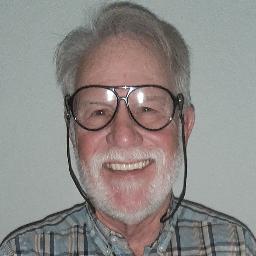
CO Psychologist PSY.0000508
Dr. Michael Galvin, CO Psychologist PSY.0000508
Practical psychologist focusing on anxiety and trauma
Online therapy - get matched and start messaging.
About Michael
Clients can expect clear, direct conversations about current struggles and steps to manage them. He uses Cognitive Behavioral Therapy (CBT) alongside trauma-focused approaches and EMDR to address symptoms like panic, sleep problems, low mood, and social anxiety. Sessions focus on skills that can be used between meetings and on reducing distress in day-to-day life.
Dr. Galvin has worked in community mental health settings, private practice, and university training programs. He has also done executive coaching and consulting, and now blends that background into flexible therapy conversations. His long career means he has seen many kinds of problems and practical ways to help people move forward.
When people reach out they complete a short matching questionnaire and then schedule sessions based on availability. Therapy is offered through a subscription model that can be canceled at any time. Costs vary by location and scheduling choices.
His Colorado license is listed as CO Psychologist PSY.0000508. For those who prefer remote work, he offers video calls, phone sessions, live chat, and text-based messaging as options.
How CBT, EMDR and Trauma Work Online
CBT aims to identify unhelpful thoughts and behaviors and replace them with practical alternatives. In online sessions this often means talking through patterns, setting short experiments or exercises, and using homework to practice new skills between meetings.EMDR uses structured processing to reduce the intensity of distressing memories and reactions. In teletherapy it involves guided reprocessing and steps to help reduce the emotional charge of traumatic memories, which can help with post-traumatic stress, panic, and phobias.
Trauma-focused therapy concentrates on stabilizing symptoms, building coping strategies, and then processing traumatic events at a pace that fits the person. The goal is to reduce avoidance and improve daily functioning while addressing trauma-related reactions.
Finding the right approach is part of the work together. The therapist will discuss goals, preferences, and symptom patterns and then recommend whether CBT, EMDR, trauma-focused work, or a mix is likely to help. Clients are invited to give feedback so the plan can change as needed.
Online formats - video calls, phone sessions, live chat, and text-based messaging - offer flexibility. Video is useful for full conversations and interactive exercises. Phone sessions can be simpler when bandwidth is limited. Live chat or text can suit brief check-ins, coaching-style guidance, or people who prefer typing. These options make it easier to fit therapy into a busy life and can help maintain continuity between sessions.
Frequently asked questions
What concerns does he help with?
He works with stress, anxiety, trauma and abuse, depression, self-esteem, grief, and many related issues including panic, phobias, sleep and eating problems, workplace stress, and coping with life changes.
What is his therapeutic style like?
Sessions are practical and direct, focusing on clear steps and skills. He blends Cognitive Behavioral Therapy with trauma-focused methods and EMDR when appropriate.
What background does he bring to therapy?
He has 42 years of experience across community mental health, private practice, university teaching, and executive coaching, and now combines those perspectives in clinical work.
What are his credentials and where is he based?
He is listed as CO Psychologist PSY.0000508 and practices from Colorado.
Which languages and international options are available?
Sessions are offered in English and he accepts international clients.
How can sessions be delivered?
Therapy is available by video calls, phone sessions, live chat, or text-based messaging to suit different schedules and preferences.
How is cost handled?
Cost varies with location and scheduling; sessions are provided through a subscription that can be canceled at any time.
How do I begin working with him?
Start by selecting the Start Therapy button, completing a short matching questionnaire, and then scheduling according to the therapist's availability.
Areas of expertise
Primary focus
Also works with
Additional focus areas
Therapeutic approaches
Experience
42+ years
Licensed
Colorado
Languages
English
License and registration
- Psychologist, Colorado
- PSY.0000508
- NPI (National Provider Identifier)
- 1730278680
As listed on the therapist's professional profile. You can check a license with the state licensing board and an NPI in the national registry.
Ready to work with Michael?
Begin with a short quiz to get matched and start messaging.
Start with Michael →