LMHC
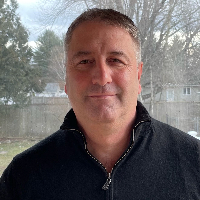
Martin Kane, LMHC
Experienced LMHC helping people move forward
Online therapy - get matched and start messaging.
About Martin
He adapts his style to each person rather than using one fixed method. Sessions are practical and conversational. Martin listens first, then works with each person to set clear, reachable goals. He focuses on skills people can use between sessions to handle stress and manage emotions.
Martin uses Cognitive Behavioral Therapy (CBT) to help people spot and change unhelpful thoughts and behaviors. He also draws on Client-Centered Therapy to keep conversations focused on the person’s own needs. For people affected by intense emotions or ongoing distress, he integrates elements of Dialectical Behavior Therapy and mindfulness to teach emotion regulation and grounding skills.
His background includes community and inpatient settings where he supported a wide range of concerns. That variety informs a flexible approach to care and realistic strategies for daily life. Martin emphasizes respect, empathy, and straightforward tools that fit each person’s situation.
If someone wants practical techniques and a steady presence while navigating difficult emotions or life shifts, he aims to provide clear steps and calm support.
Approaches That Translate Well to Online Therapy
CBT helps people notice unhelpful thoughts and replace them with more balanced ones. Online CBT sessions often focus on practical exercises, thought records, and behavior plans that people can practice between meetings to reduce anxiety or depressive symptoms.Client-Centered Therapy centers the conversation on the person's experience. In online sessions this means the therapist listens closely, reflects what is said, and helps people clarify their goals. That approach can make remote conversations feel personal and focused on what matters most to the client.
Dialectical Behavior Therapy (DBT) offers skills for managing strong emotions and improving interpersonal effectiveness. Delivered online, DBT elements such as emotion regulation, distress tolerance, and mindfulness exercises can be taught in short lessons and practiced during the week.
Finding the right approach is part of the work. The therapist will collaborate with the person to choose methods that match their needs, goals, and preferences. That collaborative process can include trying different techniques and adjusting the plan based on what helps most.
Online formats include video calls, phone sessions, live chat, and text-based messaging. Video calls are useful for in-depth conversations and skills coaching. Phone sessions can be easier when a lower bandwidth option is needed. Live chat or text messaging work well for brief check-ins, homework support, or when people prefer written communication. These options make scheduling more flexible and allow therapy to fit into work, family, or school routines.
Frequently asked questions
What kinds of problems does he help with?
He supports people with anxiety, depression, stress, trauma and abuse, anger, relationship and intimacy issues, grief, sleep problems, parenting concerns, self-esteem, career changes, bipolar disorder, ADHD, and coping with life changes.
What is his therapeutic style like?
His style is adaptable and person-focused. He listens first, then works with each person to set goals and use practical skills between sessions.
How much clinical experience does he have?
He has 21 years of experience working in community and inpatient settings with a wide range of concerns.
What credentials does he hold and where is he based?
He holds an MA and is licensed as an LMHC in Massachusetts.
Which languages are supported for sessions?
Sessions are offered in English.
Can people from other countries work with him?
He does not accept international clients at this time.
What session formats are available?
He offers video calls, phone sessions, live chat, and text-based messaging to suit different preferences and schedules.
How are costs and scheduling handled?
Cost varies by location and therapist availability and sessions use a subscription that can be canceled at any time. To begin, select the Start Therapy button, complete a short matching questionnaire, and schedule according to therapist availability.
Areas of expertise
Primary focus
Also works with
Therapeutic approaches
Experience
21+ years
Licensed
Massachusetts
Languages
English
License and registration
- LMHC, Massachusetts
- LMHC6258
- NPI (National Provider Identifier)
- 1629296165
As listed on the therapist's professional profile. You can check a license with the state licensing board and an NPI in the national registry.
Ready to work with Martin?
Begin with a short quiz to get matched and start messaging.
Start with Martin →