LPC, LCMHC
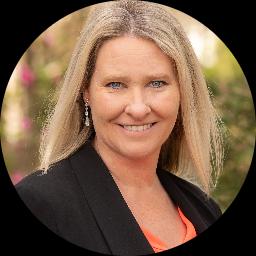
Danielle (Danni) Helms, LPC, LCMHC
Practical, collaborative therapy for emotional challenges
Online therapy - get matched and start messaging.
About Danielle
Danni works in a way that centers the person in the room. She listens first, then builds a plan together that fits each person’s life and goals. She uses Cognitive Behavioral Therapy and client-centered methods to identify unhelpful thinking and change everyday habits. Dialectical Behavior Therapy and mindfulness skills are added when emotion regulation or intense distress are present.
Her background includes nine years of counseling experience and licenses to practice in both North Carolina and South Carolina as an LPC and an LCMHC. That experience includes helping people with codependency, dissociation, domestic violence impacts, and post-traumatic stress. She aims for practical steps rather than long lectures.
Sessions are focused on skills you can try between meetings. That might look like small behavior changes, new ways to respond to triggers, or short mindfulness exercises. She also uses motivational interviewing to build commitment when change feels hard.
Danni describes therapy as a collaborative process. She works with each person to set clear goals, track progress, and adjust the approach as needed. The plan is always tailored to what the client wants to achieve.
How CBT and Client-Centered Work Online
CBT focuses on identifying unhelpful thoughts and testing them with new actions. Online CBT sessions often include setting small practice tasks between meetings to change day-to-day behavior and reduce symptoms like anxiety or panic.Client-centered therapy emphasizes listening and building a supportive relationship. In an online setting this looks like a therapist who reflects your experience and helps you find your own solutions, which can be useful for self-esteem, grief, and life purpose work.
Finding the right approach is a shared process. The therapist will discuss goals, try techniques, and adjust based on what feels useful. That collaborative style helps tailor CBT, DBT, or mindfulness skills to the person's needs and preferences.
Online sessions are offered by video call, phone, live chat, or text-based messaging to give practical flexibility. Video calls are helpful for face-to-face conversation and practicing skills together. Phone sessions use less bandwidth and can be easier to fit into a work break. Live chat or text works well for brief check-ins, tracking progress, or when a shorter contact is needed. These options make it easier to continue therapy around daily life and changing schedules.
Frequently asked questions
What kinds of concerns does she address?
She supports people dealing with anxiety, depression, trauma, addictions, anger, self-esteem struggles, grief, parenting stress, and related issues such as OCD and panic.
How would you describe her therapeutic style?
Her approach is collaborative and practical with an emphasis on listening first, then building a plan together that fits daily life.
What is her professional background?
She has nine years of counseling experience and has worked with issues including codependency, dissociation, domestic violence impacts, and post-traumatic stress.
What credentials and location are listed?
She holds LPC and LCMHC credentials and practices in South Carolina with licensure in North Carolina and South Carolina noted as SC LPC and NC LCMHC.
Which languages are supported and can she work internationally?
Sessions are offered in English, and she accepts international clients.
What session formats are available?
She meets by video calls, phone sessions, live chat, and text-based messaging to fit different schedules and needs.
How does payment work and what does it cost?
Cost varies with location and therapist availability; sessions use a subscription model that can be canceled at any time.
How do I begin working with her?
Start by selecting the Start Therapy button, complete a short matching questionnaire, and then schedule sessions according to therapist availability.
Areas of expertise
Primary focus
Also works with
Additional focus areas
Therapeutic approaches
Experience
9+ years
Licensed
South Carolina, North Carolina
Languages
English
License and registration
- LPC, South Carolina
- 7326
- LCMHC, North Carolina
- 12693
- NPI (National Provider Identifier)
- 1558804427
As listed on the therapist's professional profile. You can check a license with the state licensing board and an NPI in the national registry.
Ready to work with Danielle?
Begin with a short quiz to get matched and start messaging.
Start with Danielle →