LPC
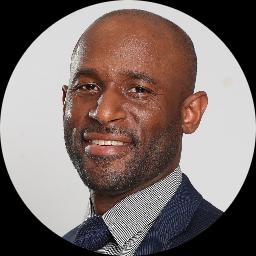
Craig Gordon, LPC
Practical therapy for stress and relationships
Online therapy - get matched and start messaging.
About Craig
He aims to make sessions feel straightforward and respectful. People can expect a calm space to talk through emotions and patterns without judgment. Craig encourages small, achievable changes that build over time.
His approach draws on Cognitive Behavioral Therapy, Dialectical Behavior Therapy, and relationship work often informed by the Gottman Method. That mix lets him offer tools for thinking differently, handling overwhelming emotions, and improving communication. Sessions combine conversation with exercises to practice between meetings.
Craig holds Virginia and District of Columbia LPC credentials and has twelve years of experience. He uses that background to guide treatment choices and to help people set clear, realistic goals. He emphasizes skill-building rather than long theoretical discussions.
Sessions can address a wide range of concerns, including attachment and abandonment issues, parenting and blended family stress, communication problems, and men's issues. He also supports people facing isolation, life-purpose questions, impulsivity, and the aftermath of separation or domestic violence.
Craig offers sessions in English and works by matching goals to practical techniques. He focuses on helping people develop coping strategies they can use in everyday life.
How these approaches work online
Craig commonly uses Cognitive Behavioral Therapy to help people notice unhelpful thoughts and test them with small behavioral changes. CBT provides clear exercises and homework that translate well to remote work. Dialectical Behavior Therapy focuses on teaching emotion regulation and distress tolerance skills, which can be practiced through guided exercises during video or text sessions. The Gottman Method informs his work on communication and conflict patterns in relationships by teaching specific interaction skills and check-ins people can use at home.Finding the best approach is a collaborative process. He will talk with clients about their goals and preferences, then suggest CBT, DBT, or relationship-focused techniques that fit. Clients and therapist adjust methods over time based on what helps most.
Online formats offer practical benefits for busy lives. Video calls let therapists observe body language and role-play conversations. Phone sessions can be easier when video isn’t possible and require less bandwidth. Live chat and text-based messaging are useful for brief check-ins, practicing skills between sessions, or getting support when schedules are tight. These options make it simpler to keep continuity of care and practice real-world skills between meetings.
Frequently asked questions
What concerns does Craig focus on?
He supports people with stress, anxiety, relationship difficulties, trauma and abuse, depression, and coping with life changes. Additional focus areas include attachment issues, abandonment, communication problems, and men's issues.
What is his therapy style like?
Sessions are conversational and practical. He emphasizes simple skills and exercises people can try between meetings to make steady progress.
How much clinical experience does he have?
Craig has twelve years of professional experience working with a range of concerns and life transitions.
What credentials and location does he hold?
He is a Licensed Professional Counselor (LPC) with credentials in Virginia and the District of Columbia and practices from Virginia.
Which languages are supported?
Sessions are offered in English.
What session formats are available?
He meets via video calls, phone sessions, live chat, and text-based messaging to fit different needs and schedules.
How does cost and billing work?
Costs vary with location and therapist availability; sessions use a subscription that can be canceled at any time.
How do I begin working with him?
Start by selecting the Start Therapy button, completing a short matching questionnaire, and then scheduling according to therapist availability.
Areas of expertise
Primary focus
Additional focus areas
Therapeutic approaches
Experience
12+ years
Licensed
Virginia, District of Columbia
Languages
English
License and registration
- LPC, Virginia
- 0701007484
- LPC, District of Columbia
- PRC200002056
- NPI (National Provider Identifier)
- 1366004053
As listed on the therapist's professional profile. You can check a license with the state licensing board and an NPI in the national registry.
Ready to work with Craig?
Begin with a short quiz to get matched and start messaging.
Start with Craig →