LCSW
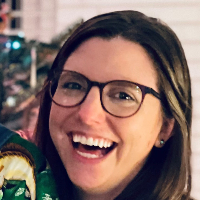
Brittany Reece, LCSW
Compassionate LCSW focused on practical skills
Online therapy - get matched and start messaging.
About Brittany
She keeps sessions practical. Brittany uses tools from cognitive behavioral therapy (CBT) to help people spot unhelpful thinking and try different behaviors. She also draws on acceptance and commitment therapy (ACT) and client-centered principles to focus on values and what matters most to each person.
When trauma is a central concern, she uses eye movement desensitization and reprocessing, often called EMDR, as one option to help reduce distress tied to past events. Dialectical behavior therapy skills are available to teach emotion regulation and coping when feelings feel overwhelming.
Brittany aims to match methods to each individual instead of using one fixed approach. She listens for what a person needs, then combines techniques that fit their goals and pace. Sessions are collaborative and focused on small, doable steps.
She offers multiple online formats including video calls, phone sessions, live chat, and text-based messaging. Brittany has six years of clinical experience and holds an LCSW credential in North Carolina.
How her approaches work online
CBT, or cognitive behavioral therapy, helps people notice unhelpful thoughts and test new behaviors to reduce symptoms like anxiety or low mood. It uses short exercises and homework to build skills between sessions.Acceptance and commitment therapy, or ACT, teaches people to accept difficult feelings while moving toward values-based actions. This approach can help with stress, life changes, and finding direction when things feel stuck.
EMDR, or eye movement desensitization and reprocessing, is a trauma-focused method that can decrease distress tied to past events by processing memories in focused sessions. It is offered as an option when trauma is a central concern.
Finding the right approach is part of therapy. The therapist will work together with each person to choose and adapt methods based on their needs, goals, and comfort. That collaborative process helps shape sessions over time.
Online formats make it easier to fit therapy into a busy life. Video calls allow face-to-face conversation and visual cues. Phone sessions can be useful when a quieter space or lower bandwidth is needed. Live chat and text-based messaging suit quick check-ins, journaling between sessions, or times when typing feels easier than speaking. These options offer flexibility so people can use the format that best supports their progress.
Frequently asked questions
What concerns does Brittany commonly address?
Brittany works with people facing stress, anxiety, depression, trauma, and substance use concerns, as well as relationship strain, grief, and body image or self-esteem issues.
How would you describe her therapeutic style?
She keeps sessions practical and collaborative, listening first and using exercises and skills that fit each person's goals and pace.
What is her clinical background and experience?
She has six years of clinical experience and has worked primarily with depression, anxiety, trauma, and substance-related concerns.
What credentials and location are listed for her?
She holds an LCSW, which is a licensed clinical social worker credential, and practices from North Carolina.
Are sessions offered in other languages or to international clients?
Sessions are offered in English and she is not currently accepting international clients.
Which session formats does she use?
She offers video calls, phone sessions, live chat, and text-based messaging to fit different needs and schedules.
How does pricing and subscription work?
Costs vary by location and therapist arrangement; sessions use a subscription model that can be canceled at any time.
What are the first steps to begin working together?
Start by selecting the Start Therapy button, completing the short matching questionnaire, and then scheduling according to therapist availability.
Areas of expertise
Also works with
Additional focus areas
Therapeutic approaches
Experience
6+ years
Licensed
North Carolina
Languages
English
License and registration
- LCSW, North Carolina
- C013294
- NPI (National Provider Identifier)
- 1578057725
As listed on the therapist's professional profile. You can check a license with the state licensing board and an NPI in the national registry.
Ready to work with Brittany?
Begin with a short quiz to get matched and start messaging.
Start with Brittany →