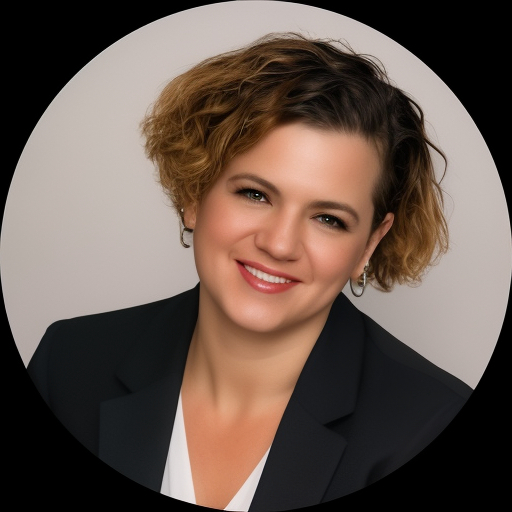
Annette Rios-Barrera is a licensed clinical social worker in Texas with 23 years of experience. She uses a compassionate, practical style to help people facing anxiety, depression, grief, and relationship questions. Her approach respects identity and the realities of day-to-day life. She speaks English and Spanish.
Annette focuses on relational healing and trauma-informed care. Sessions aim to rebuild trust, increase self-awareness, and help clients make choices that match their values. She blends evidence-based strategies like cognitive behavioral therapy with acceptance work and attachment ideas. Clients can expect straightforward techniques alongside space to process emotions.
She is experienced supporting people in the LGBTQ community and those exploring nontraditional relationship structures. Annette also helps people cope with life changes such as loss, chronic illness, caregiving stress, adoption and foster care issues, and career transitions. She pays attention to attachment patterns, abandonment concerns, and intimacy-related struggles.
Annette brings an open, down-to-earth presence to sessions. She uses practical exercises, skills practice, and reflective conversation so people can try new ways of relating. Playfulness and breath or laughter work may be added when they feel helpful.
Work is tailored to each person’s goals and pace. Annette can work with Spanish speakers and accepts international clients. She offers multiple online formats to fit different schedules and needs.
How therapy approaches translate to online care
Annette often uses Cognitive Behavioral Therapy to identify unhelpful thinking and build concrete skills for mood and anxiety management. CBT helps people spot patterns, test ideas, and practice new behaviors between sessions.
She also uses Acceptance and Commitment Therapy to help clients clarify values and accept difficult feelings while taking meaningful action. ACT is useful when people want to move forward even while hard emotions are still present.
Finding the right approach is part of the work. Annette collaborates with each person to choose methods that match their goals, needs, and comfort level. She adjusts techniques over time based on what proves helpful.
Online formats include video calls, phone sessions, live chat, and text-based messaging. Video is useful for focused skill work and a face-to-face feel, while phone sessions can be easier when bandwidth is limited. Live chat and messaging allow quick check-ins, brief coaching, or ongoing written reflection between meetings. These options make scheduling more flexible and let people fit therapy into busy lives.
Frequently asked questions
What kinds of concerns does she help with?
She works with anxiety, depression, grief, stress, relationship and intimacy issues, and coping with life changes. Other focuses include attachment concerns, adoption and foster care issues, caregiving stress, chronic illness, and body image.
How would you describe her therapeutic style?
Sessions combine practical skill-building with reflective conversation. She uses a mix of approaches and aims to tailor techniques to a person’s goals and daily life.
What is her professional background?
Annette has 23 years of clinical experience and emphasizes trauma-informed and relational work. She also incorporates strengths like playfulness and mindfulness when appropriate.
Where is she based and what are her credentials?
She is based in Texas and holds the LCSW credential, listed as TX LCSW.
In which languages are sessions offered?
Sessions are offered in English and Spanish. She also accepts international clients.
What session formats are available?
Therapy is offered via video calls, phone sessions, live chat, and text-based messaging. These options let people pick what fits their schedule and communication preferences.
How does payment and cost work?
Cost varies with location and therapist selection. Sessions use a subscription model that can be canceled at any time.
How do I begin working with her?
Click the Start Therapy button, complete a short matching questionnaire, and schedule according to therapist availability.
AbandonmentAdoption and foster careAging and geriatric issuesAttachment issuesAutism and Asperger SyndromeAvoidant personalityBDSM, kink, and alternative sex cultureBlended family issuesBody imageCancerCaregiver issues and stressChronic pain, illness, and disabilityCo-morbidityCodependencyCommitment issuesCommunication problemsControl issuesCoping with natural or human-caused disasterDependent personalityDisruptive Mood Dysregulation Disorder (DMDD)Divorce and separationDomestic violenceDrug and alcohol addictionEating and food-related issuesEmptinessFamily of origin issuesFamily problemsFatherhood issuesFertility issuesFirst responder issuesForgivenessGender dysphoriaGuilt and shameHIV / AIDSHoardingHospice and end-of-life counselingImmigration issuesImpulsivityInfidelityIntellectual disabilityIsolation / lonelinessJealousyLife purposeMen's issuesMidlife crisisVeteran and Armed Forces IssuesMoney and financial issuesMood disordersMulticultural concernsNarcissismObsessions, compulsions, and OCDPanic disorder and panic attacksParanoiaPersonality disordersPhobiasPolyamory / non-monogamous relationshipsPostpartum depressionPost-traumatic stressPregnancy and childbirthPrejudice and discriminationProcess addiction (porn, exercise, gambling)Seasonal Affective Disorder (SAD)Self-harmSelf-loveSex addictionSexual assault and abuseSexual dysfunctionSexualitySmoking / vaping cessationSocial anxiety and phobiaWomen's issuesWorkplace issuesYoung adult issues
Therapeutic approaches
Acceptance and Commitment Therapy (ACT)Attachment-Based TherapyClient-Centered TherapyCognitive Behavioral Therapy (CBT)Dialectical Behavior Therapy (DBT)Emotionally-Focused Therapy (EFT)Existential TherapyEye Movement Desensitization and Reprocessing (EMDR)Gottman MethodJungian TherapyMindfulness TherapyMotivational InterviewingNarrative TherapyPsychodynamic TherapySolution-Focused TherapySomatic TherapyTrauma-Focused TherapyInternal Family SystemsSystemic Therapy