LCMHC
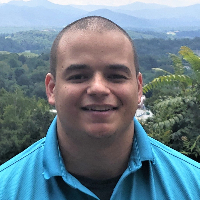
Andrew Perez, LCMHC
Practical, values-focused therapy for everyday life
Online therapy - get matched and start messaging.
About Andrew
He often starts by looking at personal strengths and interests. Then he helps build routines that support those strengths and target areas of struggle. He pays attention to how thoughts shape behavior and uses that as a starting point for change.
Andrew has worked in several settings, including a jail diversion program for teens, a residential evaluation hospital for children and adults, and a community program for at-risk youth and their families. Those roles shaped his focus on life transitions, trauma, parenting challenges, and behavioral concerns like addiction.
His work draws from Cognitive Behavioral Therapy, Acceptance and Commitment Therapy, Dialectical Behavior Therapy, Client-Centered Therapy, and Existential Therapy. Sessions pair skill-building and values work with reflective conversation. Measurement-based care and findings from neuroscience also inform the process.
In practical terms he helps people manage stress, anxiety, anger, low self-esteem, grief, and relationship problems. He also supports those facing parenting strain, career shifts, adoption and foster care issues, and recovery from substance use. Sessions aim to be collaborative and goal-focused, with steps people can try between meetings.
How Andrew Uses CBT, ACT, and Client-Centered Work Online
Andrew uses Cognitive Behavioral Therapy to help people notice unhelpful thoughts and test new behaviors. CBT sessions often include concrete exercises and homework to change patterns that maintain anxiety, depression, or problematic habits.He also uses Acceptance and Commitment Therapy to clarify values and help people act in ways that matter to them. ACT focuses on noticing internal experiences without getting stuck in them and building a meaningful life through committed action.
Client-Centered Therapy guides his approach to listening, empathy, and building a respectful working relationship. That warm, accepting stance makes skill practice and values work easier to try.
Finding the right mix of approaches is a collaborative process. He will work with each person to decide which methods fit their goals, preferences, and daily life. Sessions are shaped by what the person wants to achieve and what feels most helpful in practice.
Online formats include video calls, phone sessions, live chat, and text-based messaging. Video is useful for deeper conversation and visual cues. Phone sessions can be easier when bandwidth is limited or a shorter check-in is needed. Live chat and text messaging are helpful for quick updates, ongoing coaching, or when typing feels more comfortable. These options aim to make therapy more flexible and easier to fit into a busy schedule.
Frequently asked questions
What concerns does this therapist help with?
He helps with stress, anxiety, depression, trauma and abuse, anger, self-esteem, addictions, relationship and family issues, grief, intimacy concerns, parenting and career changes.
What is his therapeutic style like?
His style mixes practical skill-building with reflective conversation. Sessions focus on thoughts, daily routines, values, and small steps people can take between meetings.
How much experience does he have?
He has nine years of experience working in mental health settings such as jail diversion programs, residential evaluation hospitals, and community programs for at-risk youth.
What credentials does he hold and where is he based?
He holds the LCMHC credential and practices in North Carolina as an NC LCMHC.
Are sessions offered in other languages or internationally?
Sessions are offered in English. He is not accepting international clients.
What session formats are available?
Sessions can be held via video calls, phone sessions, live chat, or text-based messaging to provide different ways to connect.
How does cost and scheduling work?
Cost varies with location and therapist availability and sessions use a subscription that can be canceled at any time.
How do I get started with therapy here?
Select the Start Therapy button, complete a short matching questionnaire, and schedule according to therapist availability.
Areas of expertise
Primary focus
Also works with
Additional focus areas
Therapeutic approaches
Experience
9+ years
Licensed
North Carolina
Languages
English
License and registration
- LCMHC, North Carolina
- 13694
- NPI (National Provider Identifier)
- 1265057830
As listed on the therapist's professional profile. You can check a license with the state licensing board and an NPI in the national registry.
Ready to work with Andrew?
Begin with a short quiz to get matched and start messaging.
Start with Andrew →